October 1, 2026
The spaces we inhabit have a profound impact on our mental and physical well-being. A relaxing environment is essential not only for personal tranquility but also for enhancing overall quality of life. Through professional design, these spaces can be more than functional; they can be transformative sanctuaries that promote health, peace, and productivity. In today's fast-paced world, designing a calming environment involves understanding how every design element—from color choices to outdoor landscape designs—contributes to an atmosphere of relaxation.
The Role of Color in a Relaxing Environment
Understanding Color Psychology
Color psychology plays an essential role in influencing our emotions and perceptions. Certain colors have universal associations, such as blue for calmness and red for energy. When crafting a relaxing environment, it's crucial to understand these associations to choose colors that will evoke tranquility. Neutral tones often serve as the perfect backdrop, providing a sense of peace and balance. Using colors thoughtfully can transform any space into a haven of relaxation.
Colors not only affect mood but can also impact psychological and physiological responses. While cool tones such as blues and greens can lower heart rates and reduce anxiety, warm hues like red and yellow might stimulate and energize. The key is to balance these effects to suit the intended atmosphere. Understanding this can help design spaces that align with the desired emotional outcomes. Designers often integrate neutral tones for their calming influence, providing a perfect setting for rest and relaxation, whether for interior palettes or exterior landscape designs.
Culture also influences color perception, making it an essential consideration in design. For some, certain colors may have spiritual or traditional significance, adding layers of meaning in a calming environment. Researching cultural influences and individual preferences can help tailor spaces that feel personal and comforting. Choosing colors that resonate on multiple levels enhances the personal connection and comfort of a space. This approach ensures that the environment is both universally appealing and personally soothing.
Integrating Natural Light
Natural light is transformative in any setting, offering both aesthetic and health benefits. Exposure to natural light boosts mood and productivity while reducing the need for artificial lighting. Maximizing daylight involves strategic placement of windows, open-concept designs, and minimal obstructions in spaces. The integration of skylights or large windows not only enhances the ambiance but also connects the indoors with custom landscape designs outside. This connection fosters well-being and supports a healthier living environment, both mentally and physically.
According to the U.S. EPA, while indoor pollutants can be significantly higher than outdoor concentrations, at least two to five times higher, natural lighting and improved landscaping can elevate environmental quality. Through the intelligent design of window placements and treatments, professionals can enhance light infiltration. Window treatments should offer flexibility, allowing for adjustments based on time of day and desired levels of privacy. Moreover, incorporating reflective surfaces like mirrors can amplify the available light, creating a brighter and more inviting space. A thoughtful lighting plan should address all daily needs while prioritizing wellness and energy efficiency.
Artificial lighting complements natural light, especially when it mimics natural daylight patterns. The use of dimmers, LED lights, and color-changing bulbs can help create a spectrum of moods, from energizing to restful, suitable for different times of the day. Well-designed lighting systems can enhance these effects by allowing seamless transitions from work to relaxation. With technology, lighting becomes a dynamic component of the design, adaptable to the user's preferences. This flexibility is key in crafting environments that remain intensely personal and consistently calming.
Texture and Material Choices
The Sensory Role of Textures
Textures engage our senses, evoking specific emotional and tactile responses that influence our experience of a space. The mixture of textures, from smooth to rough, adds depth and richness, contributing to a dynamic yet cohesive environment. Soft, plush textures can evoke a sense of coziness and comfort, essential for creating spaces where individuals can unwind. Textures like linen, wool, or velvet provide warmth and a tactile connection to the environment, enhancing a space's comforting features. Layering different textures allows for contrast and interest without overwhelming simplicity.
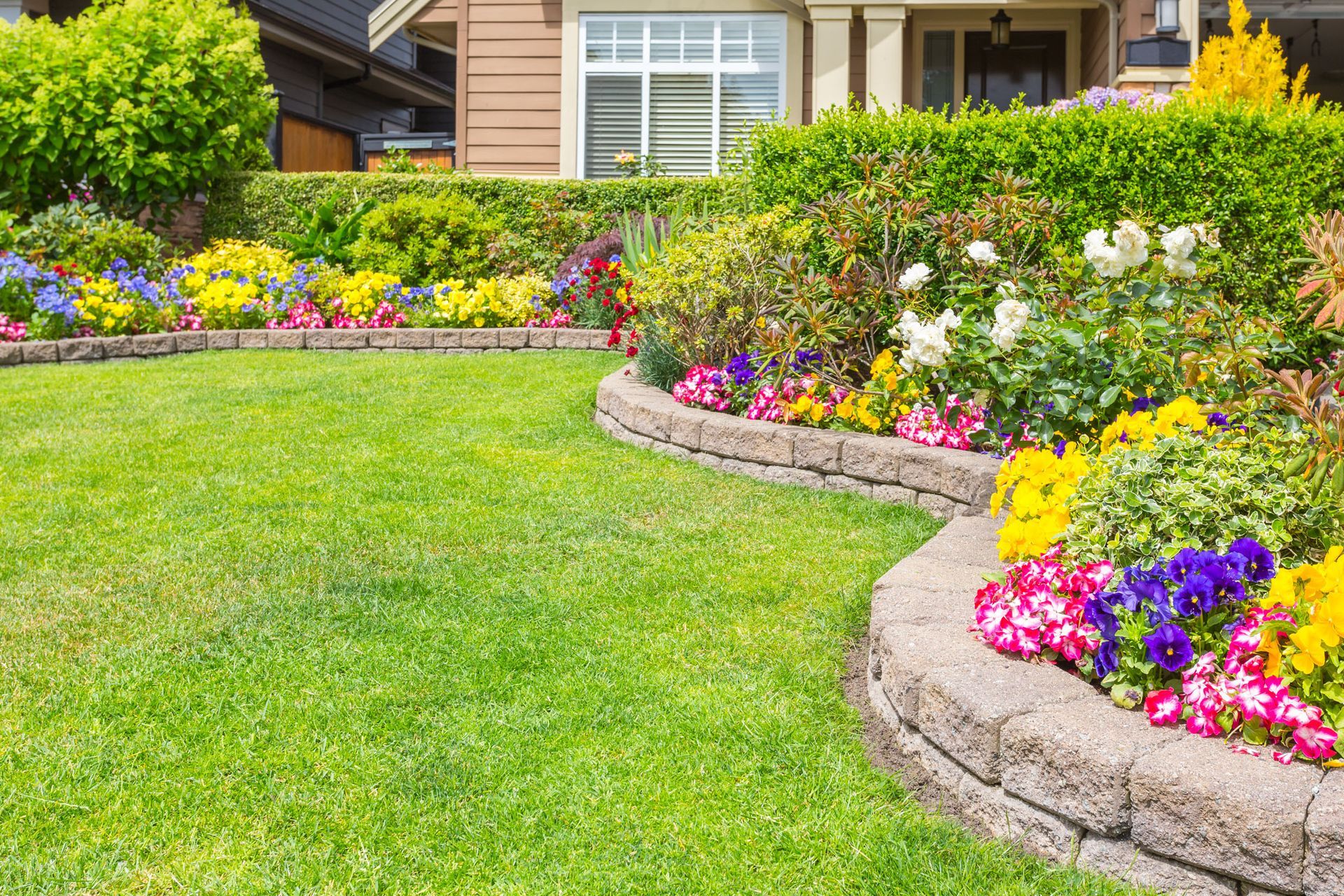
Materials play a crucial role not only in aesthetics but also in the durability of a design. While selecting for longevity, choosing sustainable materials aligns with both health and environmental well-being. Natural materials, such as wood, stone, and natural fibers, are often preferred for their calming influence and minimal environmental impact. Incorporating stone work and natural elements into tailored landscape designs extends this earthy balance outdoors. The innate imperfection and uniqueness of natural materials add character to spaces, making them feel personal and intimate. Through these choices, the design embodies values of simplicity, sustainability, and serenity.
Textiles have a significant impact on the sensory experience of a space, influencing warmth, acoustics, and visual appeal. The right combination of textiles can contribute to an optimal acoustic environment, absorbing unwanted noise and enhancing relaxation. Textiles like heavier drapes or rugs can also offer visual warmth and tactile comfort when incorporated correctly. In addition, seasonal changes in textiles—such as swapping heavier winter rugs for lighter summer options—can refresh spaces sensibly and subtly. Through attention to detail in textures and materials, a consistently relaxing environment is crafted year-round.
Implementing Greenery and Natural Elements
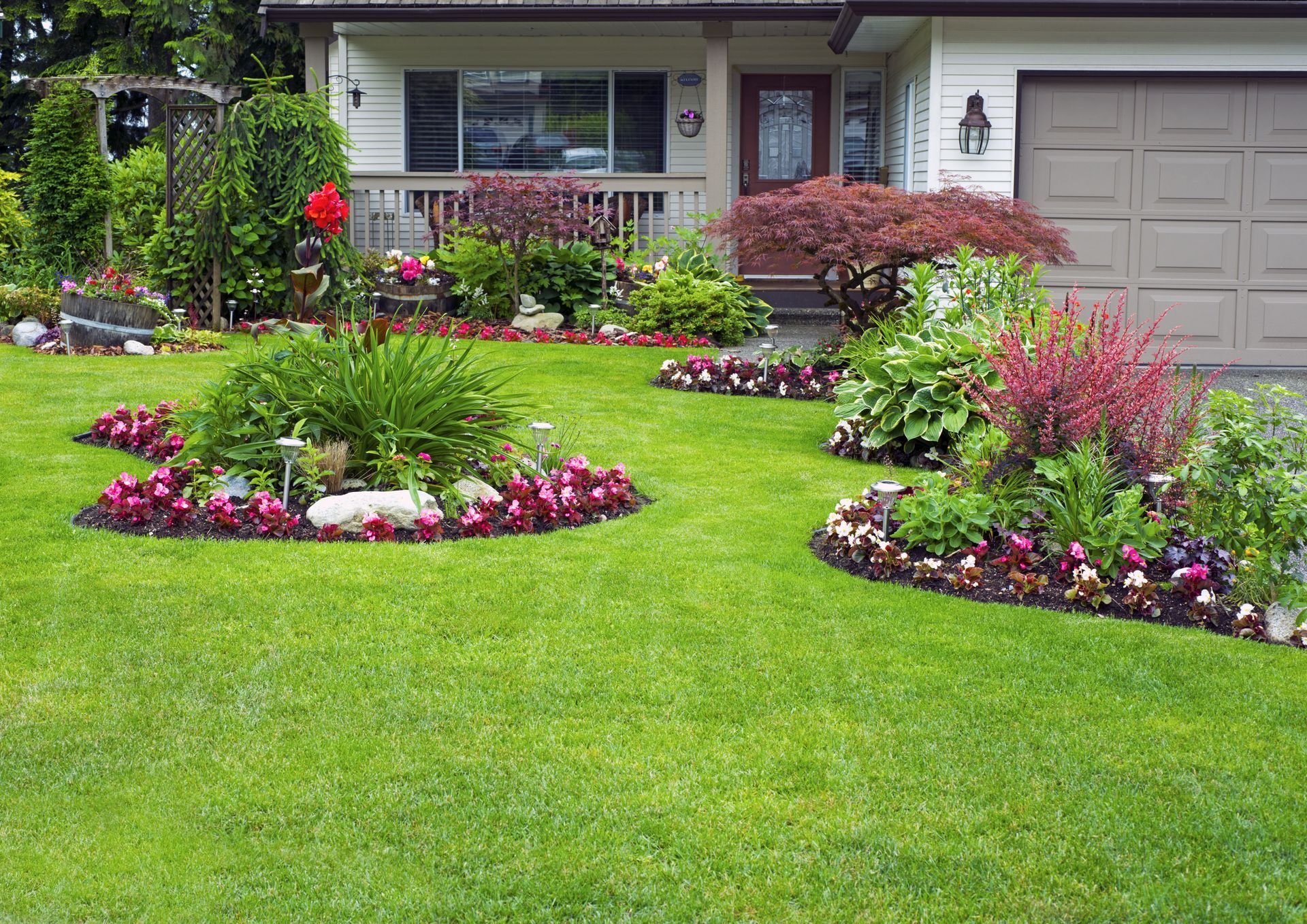
Incorporating greenery within indoor and outdoor environments offers numerous psychological and physical benefits. Indoor plants and thoughtful outdoor landscape designs promote relaxation, purify air, and serve as natural mood enhancers, offering connections to nature that many people find deeply calming. Beyond aesthetics, living plants bring life to built environments, breaking the monotony with organic relief. Moreover, greenery contributes to well-being by improving air quality and humidity levels. Environmental factors, such as pollutants being higher indoors than outdoors, make integration of nature in design an essential consideration for healthier homes.
Choosing low-maintenance plants ensures compliance with lifestyle needs while still delivering the calming benefits of greenery. Varieties like succulents, snake plants, and ferns require minimal care, thriving in a variety of conditions. Strategically placing these plants in areas such as workspaces, bathrooms, or common rooms maximizes their positive impact. This thoughtful integration can enhance focus and calmness, ensuring spaces not only look good but feel good. Through careful choice and arrangement, plants become a powerful tool in creating sustainable and relaxing sanctuaries.
Expanding on green design, integrating water features such as fountains or ponds within residential landscape designs amplifies an environment's serenity. Sound plays a significant role in relaxation, and the gentle trickle of water can mask ambient noise while promoting a tranquil atmosphere. By incorporating various natural elements, from plants to water, designers create environments rich in sensory experiences that nurture overall wellness.
Curating Art and Decor
The art and decor elements within a space are critical components of personal expression and comfort. Pieces that evoke peace—whether through colors, subjects, or mediums—add calming influences to environments. Art with natural landscapes or abstract designs that convey calmness can effectively transform a space's mood. Personalization of decor reinforces a sense of belonging, aligning surroundings with individual tastes and lifestyles. While minimalism has its appeal, balancing it with personal touches ensures that spaces remain warm and inviting.
The role of art and decor extends beyond aesthetics to offer emotional comfort and identity. Personalization is key, allowing occupants to express identity and infuse spaces with elements that resonate on a deeper level. While art should remain consistent with an overarching design strategy, personal touches make it relatable and comforting. Striking a balance between incorporating art, selecting meaningful pieces, and retaining minimal clutter creates spaces that feel both open and intimate. These personal elements contribute significantly to overall relaxation and satisfaction with one's environment.
Professional design plays an indispensable role in crafting environments that nurture comfort and relaxation. By considering facets such as color psychology, natural lighting, furniture layout, textures, and stunning landscape designs, a holistic approach is adopted toward creating the ultimate relaxing space. Whether you need expert earth-moving services or fully customized landscape designs, Apex Landscape and Excavation LLC is ready to help you craft the perfect outdoor landscape to complete your vision, so call us today.